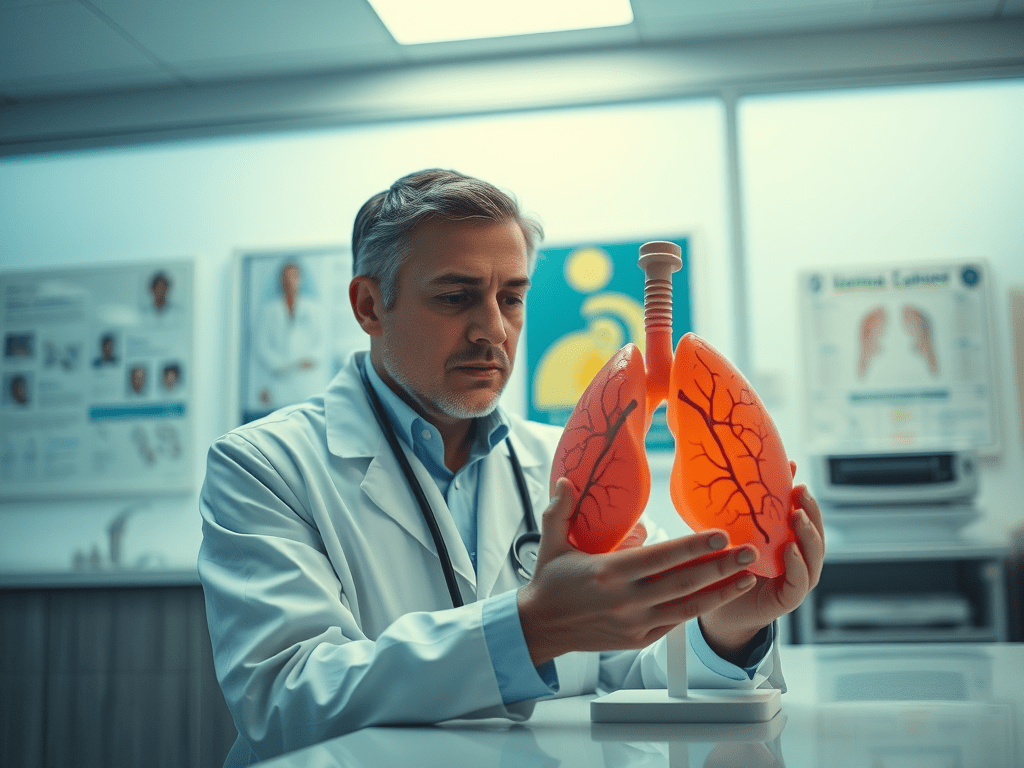
Preventive Care Works
November is Lung Cancer Awareness Month, a time dedicated to raising awareness, educating the public, and supporting those affected by this often misunderstood disease. Lung cancer remains one of the most common and deadliest cancers worldwide, yet it is frequently overlooked in conversations about cancer awareness. Here, we’ll dive into key information on lung cancer, from causes and symptoms to prevention tips and how you can support loved ones affected by this disease.
What is Lung Cancer?
Lung cancer is a type of cancer that begins in the lungs, typically in the cells that line the air passages. As these cells grow uncontrollably, they form tumors that can interfere with breathing and, if untreated, can spread to other parts of the body. There are two main types of lung cancer:

- Non-Small Cell Lung Cancer (NSCLC): The most common type, accounting for about 85% of all lung cancer cases.
- Small Cell Lung Cancer (SCLC): A more aggressive form, which tends to spread quickly and accounts for around 15% of cases Factors for Lung Cancer
Several factors increase the risk of developing lung cancer:
- Smoking: The leading cause of lung cancer, responsible for about 80% of cases in the U.S. People who smoke have a much higher risk than non-smokers, but lung cancer can still develop in non-smokers .
- ExRadon Gas: This colorless, odorless gas is the second-leading cause of lung cancer. Radon exposure occurs primarily indoors when radon seeps through cracks in building foundations.
- Environmental Factors: Exposure to secondhand smoke, air pollution, asbestos, and other chemicals can increase risk.
- Family History: Those with a family history of lung cancer may have a slightly elevated risk due to shared genetic and environmental factors .
Symptoms of Lung Cancer
Lung cancer symptoms often don’t appear until the disease is advanced, which can make early diagnosis challenging. Common symptoms include:
- Persistent coughing, sometimes with blood
- Chest pain, especially when coughing or laughing
- Shortness of breath or wheezing
- Hoarseness
- Sudden weight loss or loss of appetite
If you or a loved one experiences these symptoms, especially if they have a history of smoking or other risk factors, it’s crucial to consult a healthcare provider promptly .

Prevention Tips
While lung cancer cases can be prevented, there are effective ways to reduce your risk:
- Quit Smoking: If you’re a smoker, quitting is the best way to reduce your risk. Free resources, like hotlines and counseling programs, can help with the process.
- Test for Radon: Home radon testing kits are widely available and affordable. Testing for radon can identify elevated levels, which you can address by increasing ventilation or using radon mitigation systems.
- Avoid Carcinogens: If your workplace exposes you to asbestos or other cancer-causing agents, follow safety protocols rigorously and wear protective equipment.
- Lead a Healthy Lifestyle: Regular exercise, a balanced diet, and maintaining a healthy weight can help strengthen your body’s natural defenses .
Supporting Those with Lung Cancer, you know someone who’s been diagnosed with lung cancer or you’re part of a support network, there are ways you can make a positive impact:
- Listen and Be Present: Lung cancer can be isolating; sometimes, the best support is simply being there for a person, listening without judgment.
- Encourage Early Detection: If lung cancer runs in the family, or a loved one has a history of smoking, encourage them to talk to their doctor about screening options.
- Connect with Resources: Many organizations, like the American Lung Association, offer support groups and educational resources to help patients and families cope .
Conclusion
Lung Cancer Awareness Month an important reminder to learn about this disease, advocate for preventative measures, and support those who need it. By sharing knowledge and understanding risk factors, symptoms, and prevention methods, we can all contribute to reducing the impact of lung cancer in our communities.
For those affected by lung cancer or who want to learn more, reach out to trusted healthcare professionals and organizations dedicated to lung health.
References
- American Cancer Society. “What Is Lung Cancer?” Accessed on [date].
- Centers for Disease Control and Prevention. “Lung Cancer Risk Factors.” Accessed on [date].
- American Lung Association. “Lung Cancer Risk Factors and Causes.” Accessed on [date].
- Mayo Clinic. “Lung Cancer Symptoms and Causes.” Accessed on [date].
- National Cancer Institute. “Preventing Lung Cancer: What You Can Do.” Accessed on [date].
- Lung Cancer Foundation of America. “Supporting Loved Ones with Lung Cancer.” Accessed on [date].

